Bolts & Add-ons
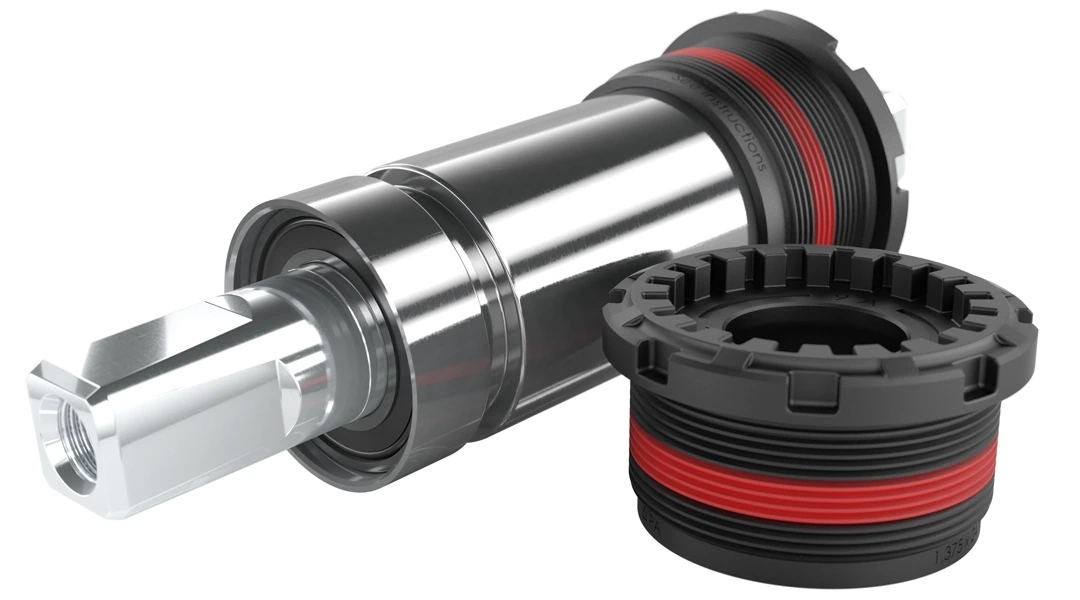
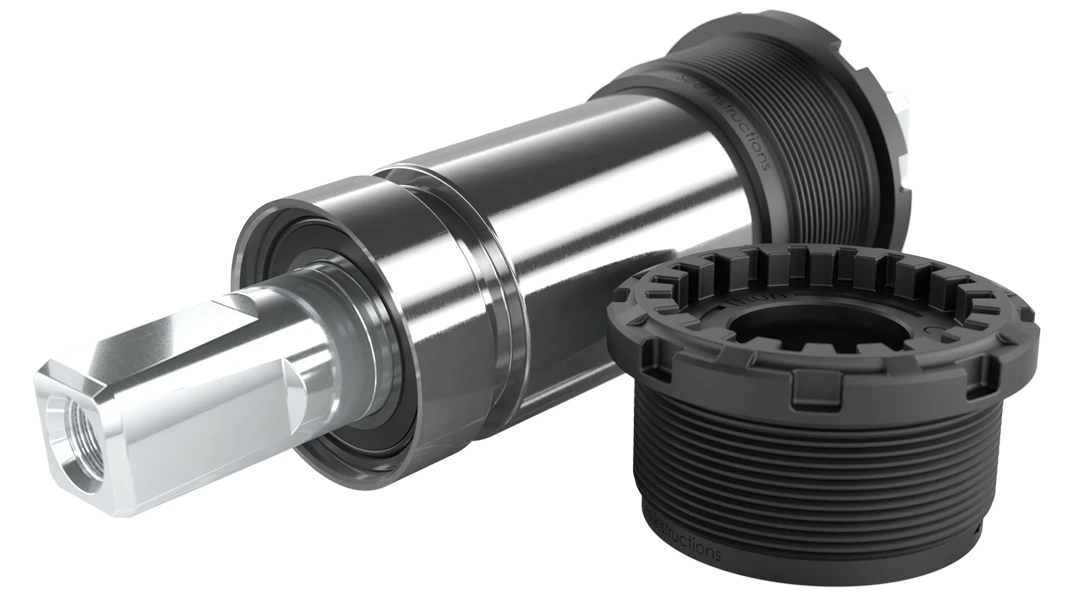
Bolts for bikes secure connections within the bottom bracket. They hold components like cups in place to ensure precise assembly and long-term performance. Key selection factors include thread type, head design, and locking features.
Bike add ons handle fastening, sealing and interface compatibility. THUN’s bolts and add ons are manufactured to tight tolerances and tested for seamless integration, so every component performs the same way, run after run.
With over 50,000 bicycle components produced daily at its facility in Ennepetal, Germany, THUN delivers solutions built for precision, scale and reliability.

Browse our bolts and add ons
Choosing the right bolt for bikes
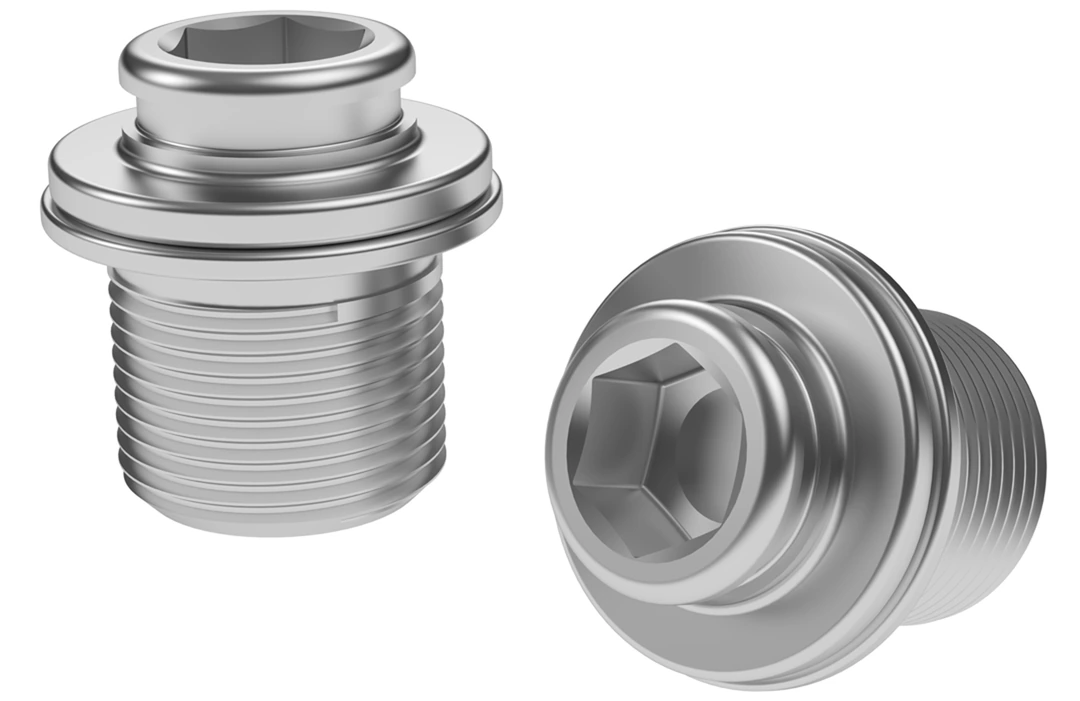
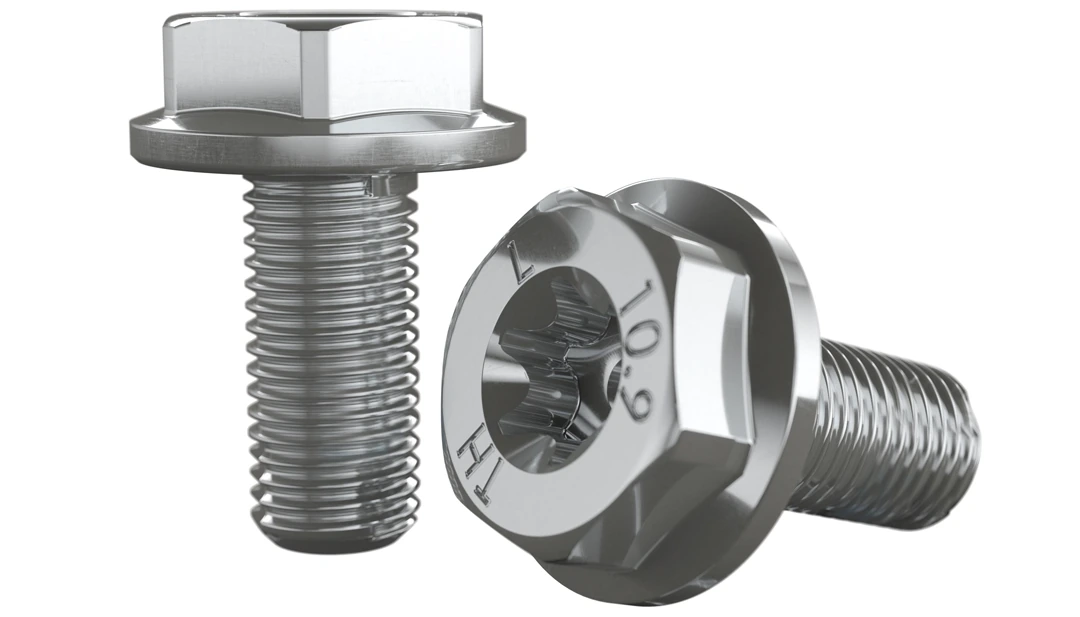
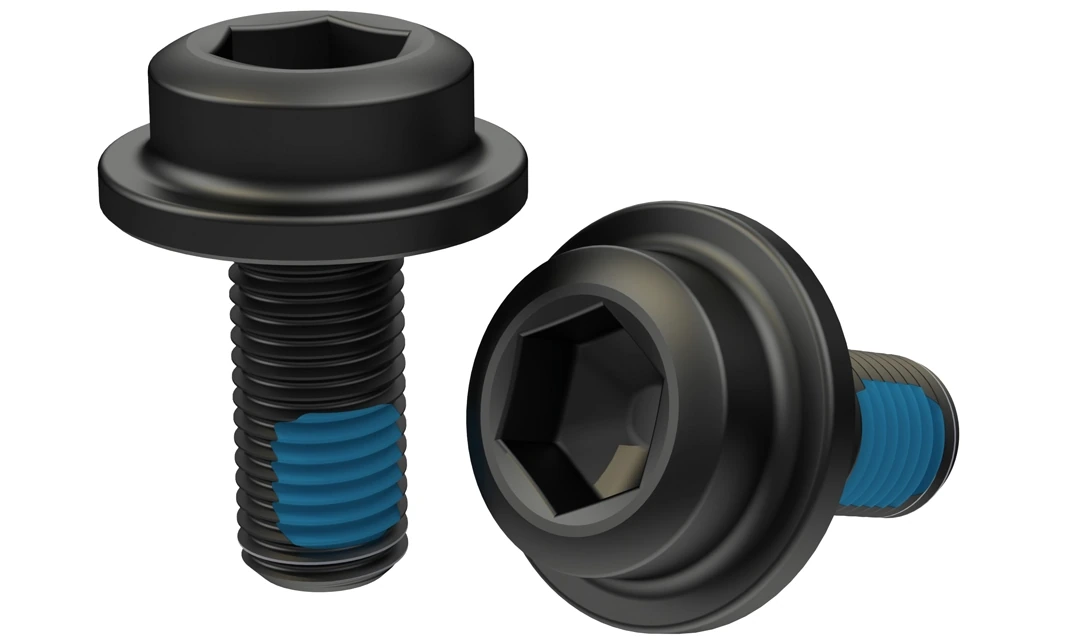
Bolt for bikes selection starts with the interface. Thread specification, head design and tool interface determine how the connection is secured. Common variants include M8x1.0 thread, strength class 10.9 and interfaces such as HEX TORX, ROUND ALLEN or ROUND PIN TORX, covering the full range of bottom bracket assemblies.
Correct specification includes:
- Thread and strength class
- Head design and tool interface
- Surface finish (e.g. ZN-FE-coated or blackened)
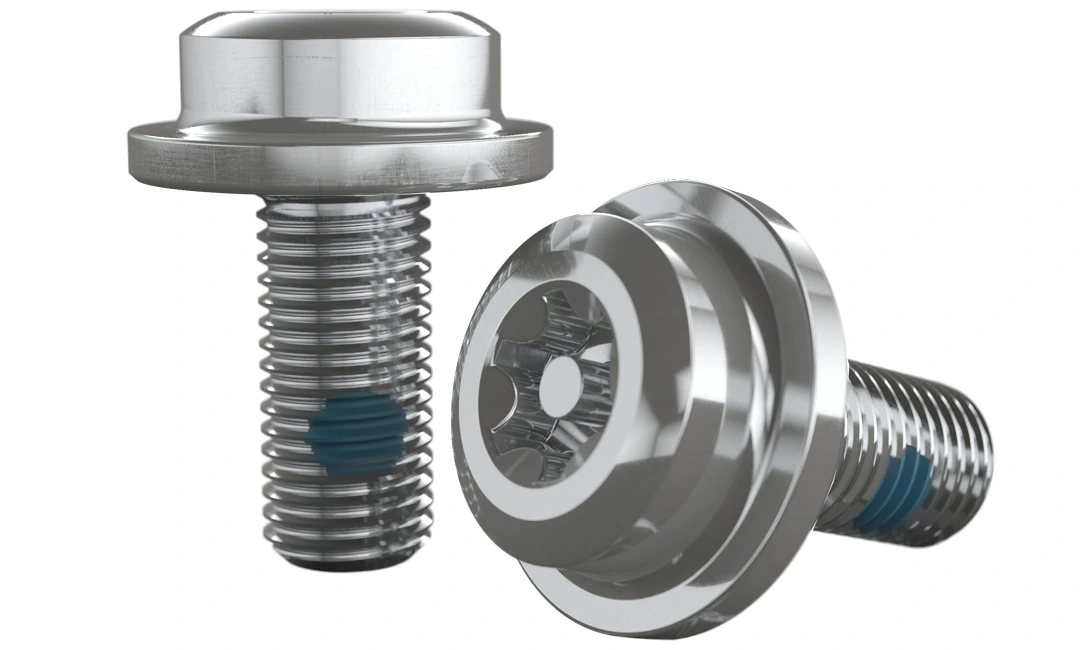
- Thread-lock where the application demands a permanent, vibration-resistant connection
Selecting bike add ons for your system
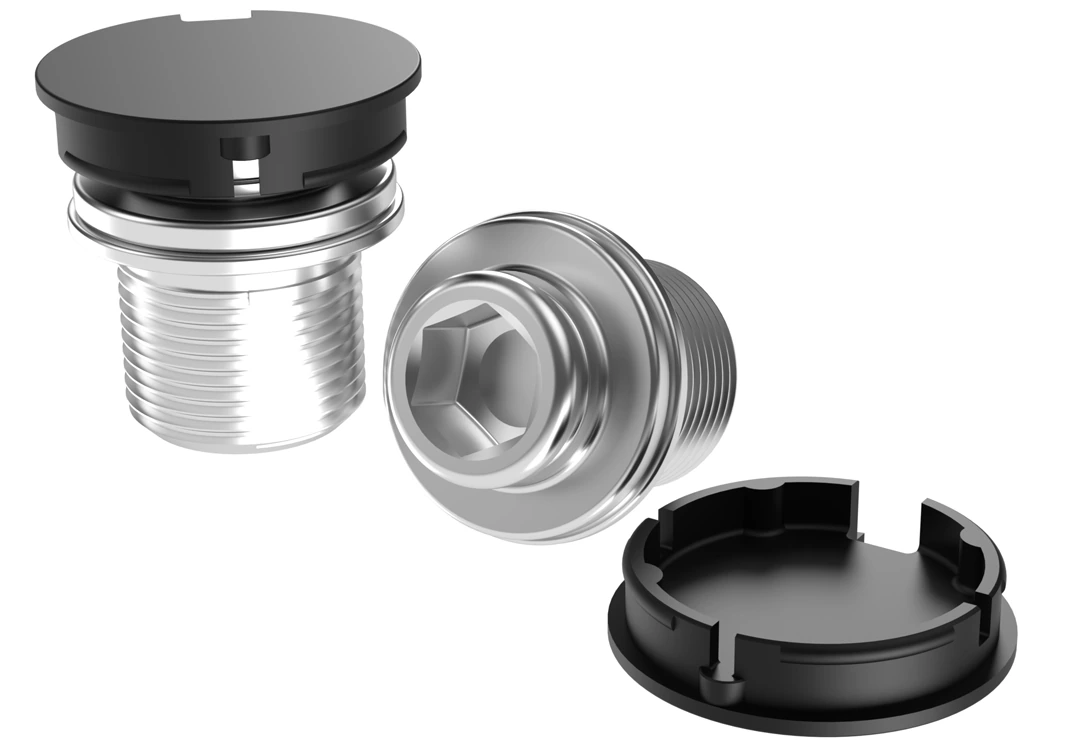
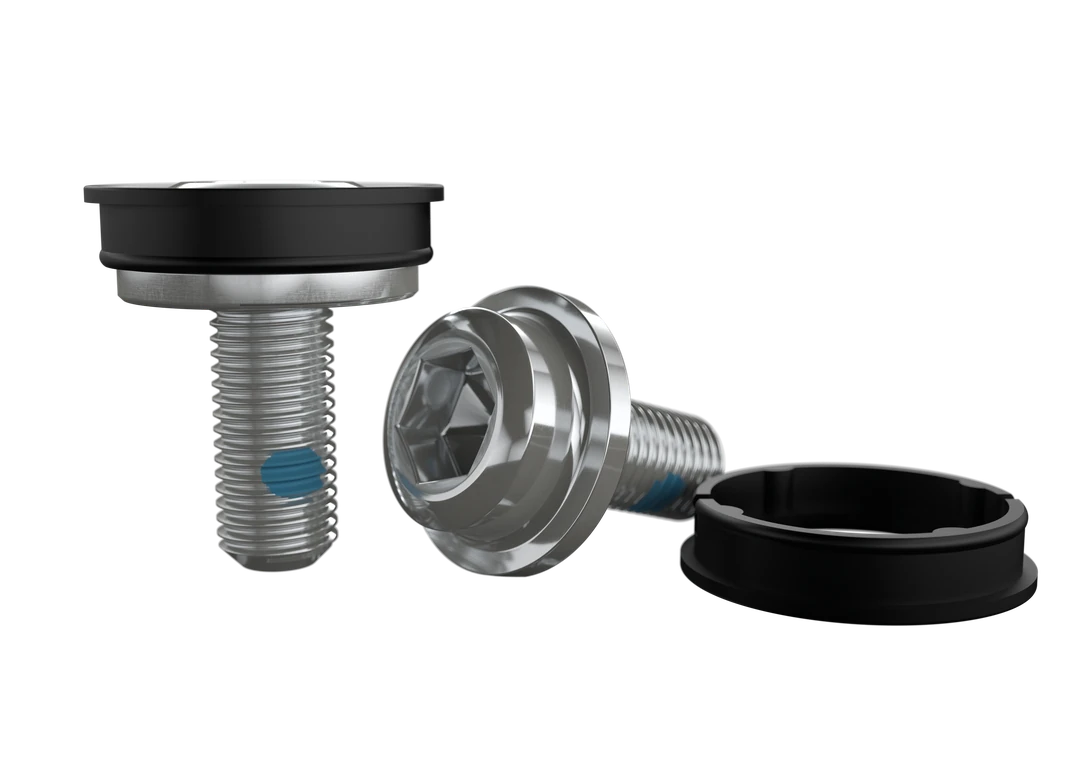
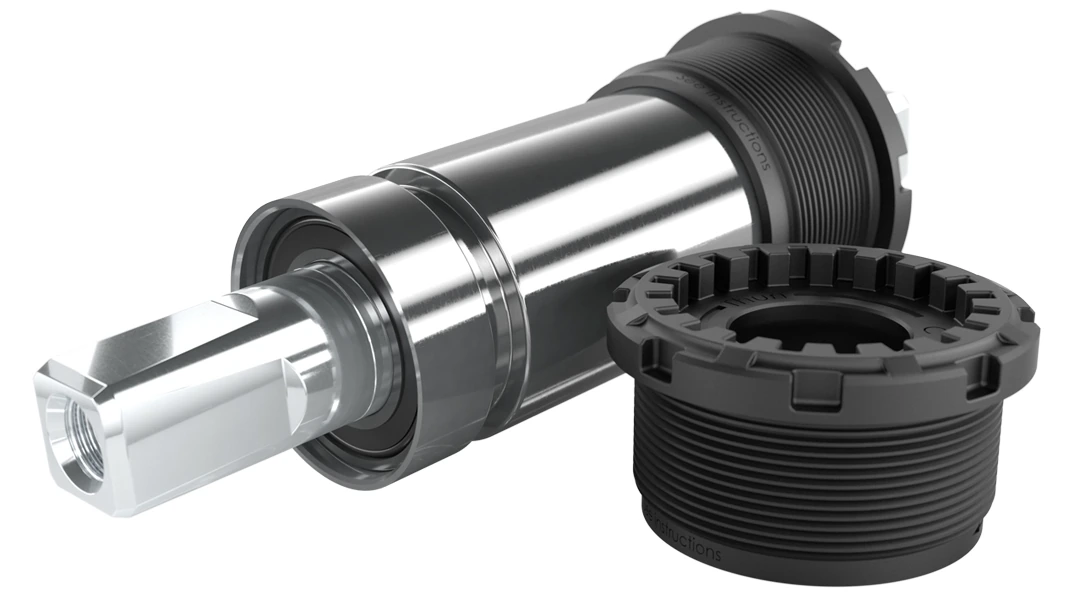
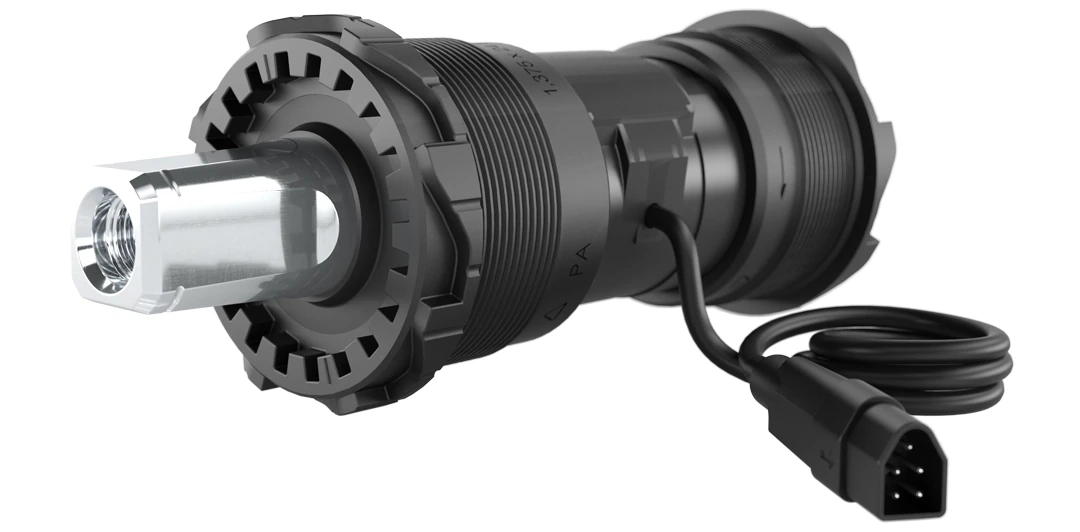
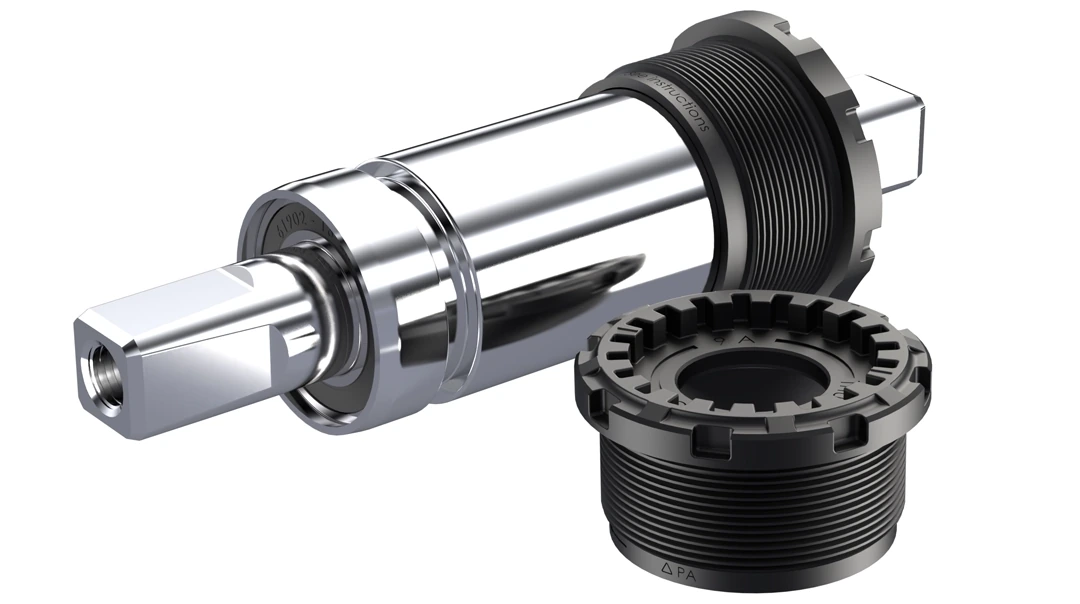
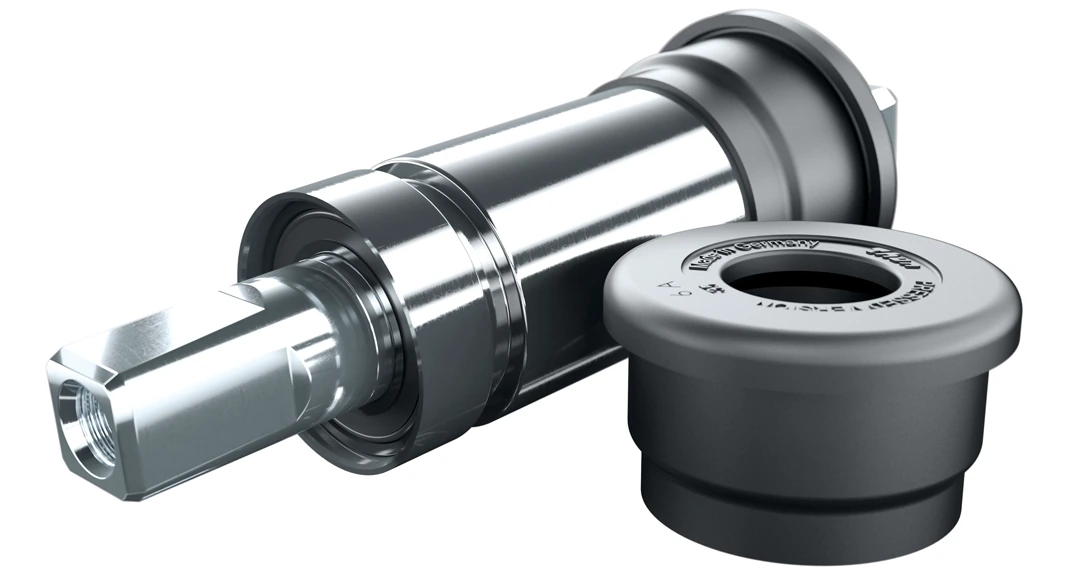
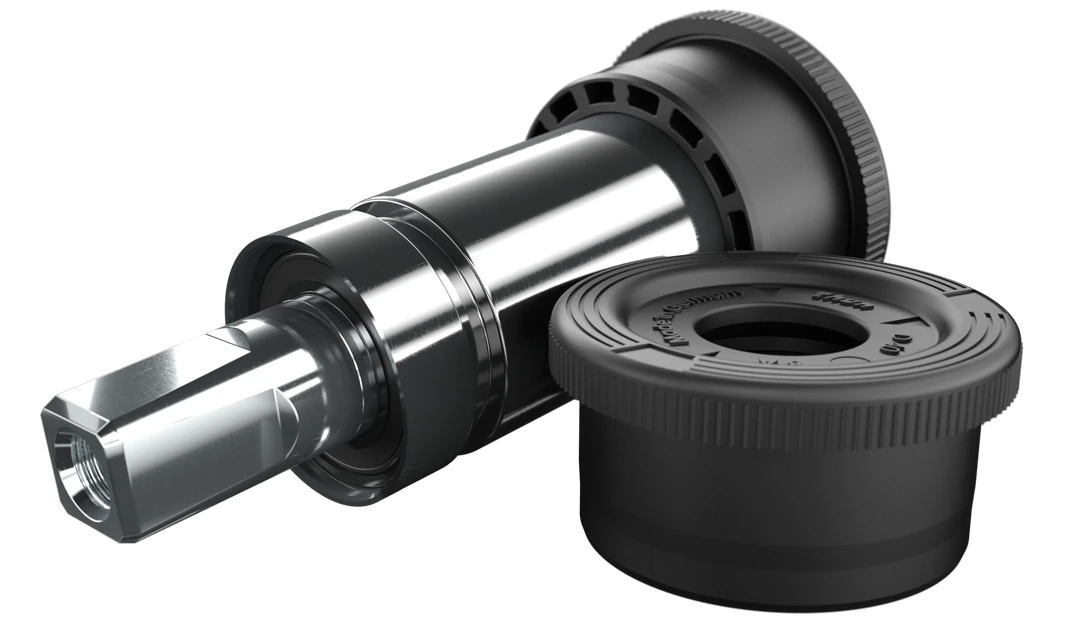
Bike add ons complete the bottom bracket interface, handling sealing and component integration. Cover rings, P19 and press-fit cups (D35, D40) work alongside bolts to configure the assembly.
For demanding applications, THUN offers a range of sealing and protection options, including rubber seals, grease seals, and a corrosion-resistant coating, each matched to specific bike types and operating conditions.
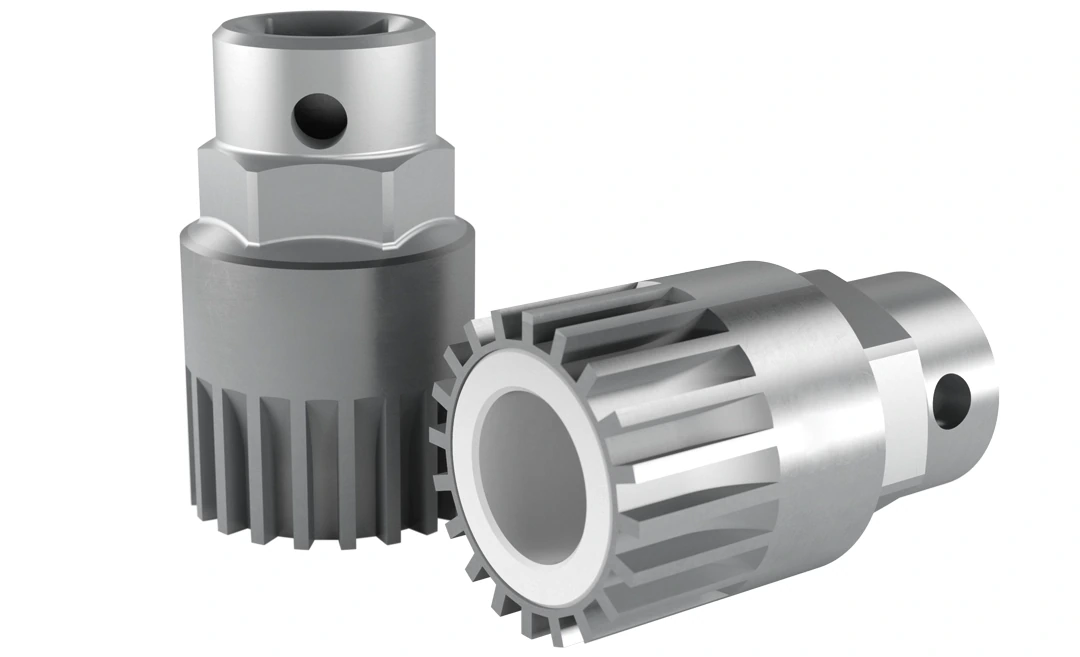
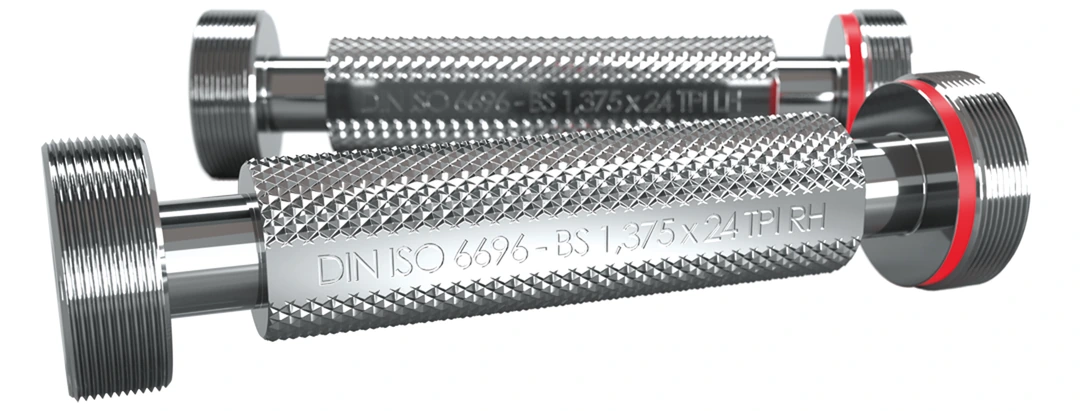
Assembly tools and plug-in gauges ensure precise installation and alignment. The right choice depends on the bottom bracket type, interface requirements and application.
Reliability in Series Production
In OEM and high-volume assembly, problems rarely start with the bolt. They start at the interface: insufficient locking, contamination, and component interactions. These issues compound as production volume and part variability increase, especially in high-stress applications.
THUN’s bolts and add ons address these challenges directly. Thread-locking bike bolts prevent loosening, under repeated loads. T40 + pin variants add mechanical security, making them ideal for rental and shared bikes.
Sealing elements, such as grease and rubber seals, keep the interface stable in demanding environments. In the end, reliability comes down to how consistently bolts and bike add ons perform together across thousands of assembly cycles. This matters more than how any single component performs in isolation.

Configuration and Adjustment
Bolts and bike add ons define and fine-tune the bottom bracket interface.
Replacement ensures correct thread, strength class, and interface type.
When replacing a bolt, match the thread, strength class, and interface type exactly. To adjust the assembly:
- Choose bolt variants with or without thread-lock depending on the application
- Use pin interfaces where additional tamper resistance is needed
- Pair bolts with cover rings or cups to complete the interface
- Apply grease and sealing elements to suit the operating environment
Getting this right keeps fastening and sealing performing the same way across every assembly.
Durability and Long-term Stability
Loose connections cause rework. The right bolt specification, combined with thread-locking and appropriate sealing, prevents this and extends service intervals.
THUN engineers bolts and add ons with tightly controlled interface geometry. Every bolt meets the same spec, whether you're ordering 500 or 500,000. That consistency is what makes high-volume production reliable.
Your Contact at Thun
Need help choosing the right bike bolts and add ons? Our engineering and sales teams are here to help.

Carina Füllbeck
Vice President SalesFAQs
Match thread type, strength class, head design, and tool interface to the bottom bracket. These four parameters determine compatibility and long-term performance.
Use T40+ pin bolts with thread-lock when extra security is required. Rental fleets and shared bikes are the primary use case.
Thread-lock prevents loosening at the interface under repeated stress. It's the difference between a bolt that stays torqued and one that requires constant rework.
Bike add ons like cover rings, press-fit cups, and sealing elements improve sealing, reduce contamination, and ensure components interact reliably over time.
Use grease seals and rubber seals in high-stress applications (rental and cargo bikes in particular) where the interface is exposed to heavy use and variable conditions.
Start with the interface definition, then establish locking requirements and any platform-specific constraints. The right combination keeps every component secure and stable.