Cranksets & Crank Arms

THUN offers cranksets and crank arms for two different drivetrain architectures. AVAX A and AVAX S are square taper cranksets designed for use with compatible THUN square taper bottom brackets. VANGUARD is designed for e-bikes with mid-drive systems and follows a separate architecture that is not paired with a THUN bottom bracket.
For manufacturers, crankset selection starts with the drivetrain architecture, interface fit, chainline and application requirements. These parameters influence drivetrain alignment, durability and assembly consistency across bike models.
Explore THUN crankset and crank arm configurations for conventional bikes and e-bike mid-drive systems.
Browse our cranksets and crank arms
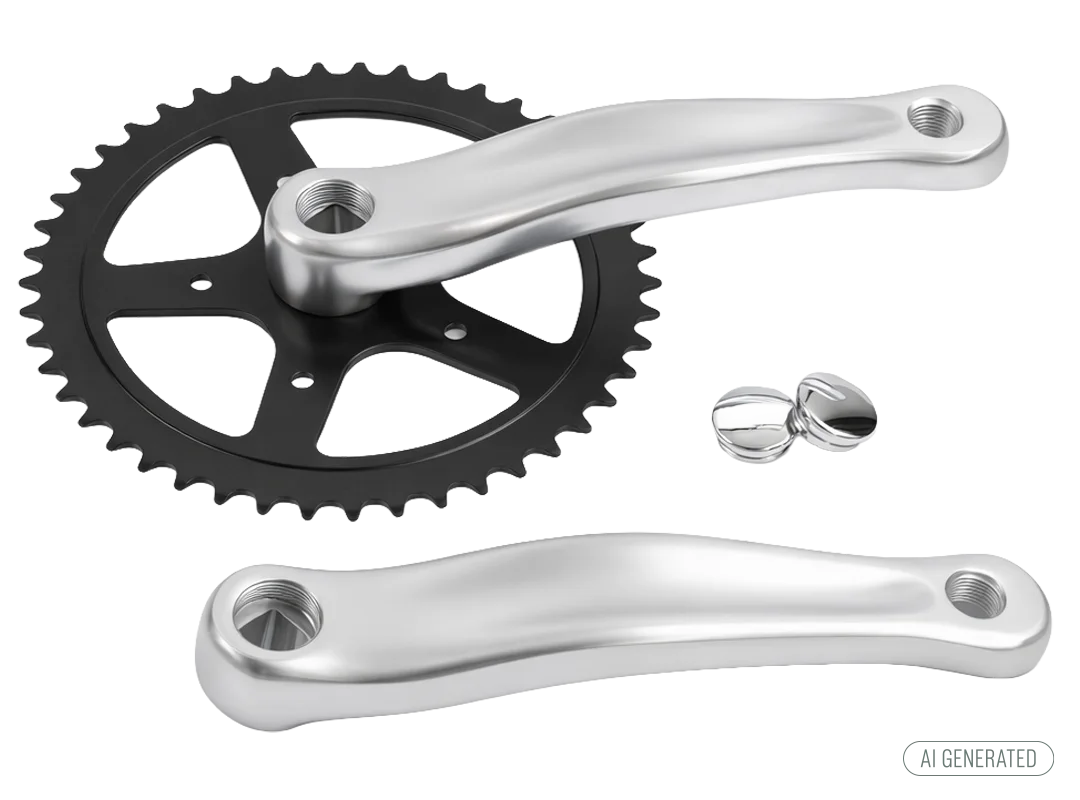
AVAX A Crank
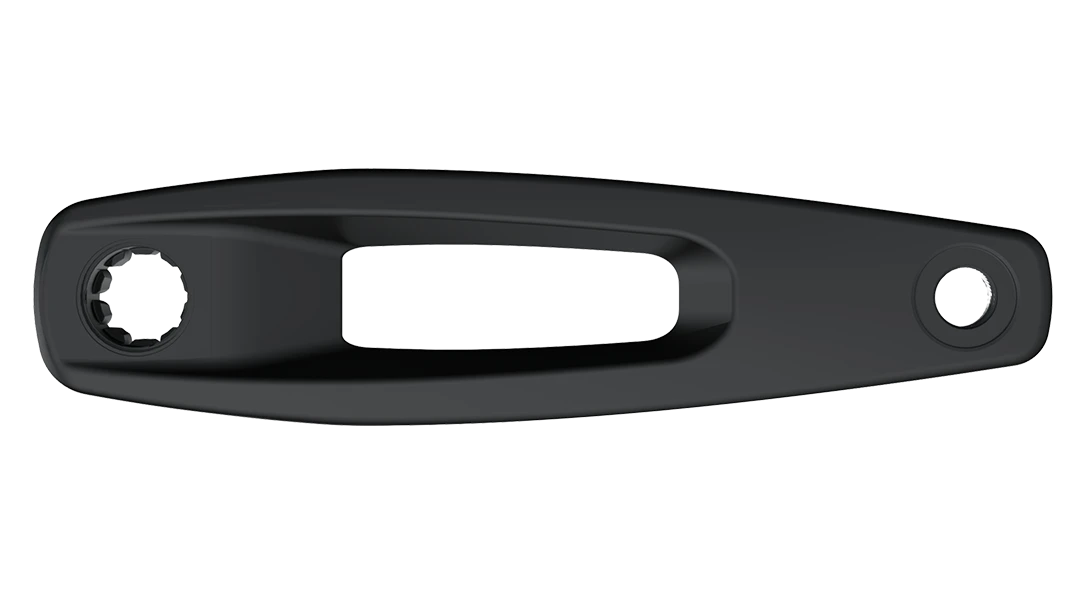
VANGUARD Crank
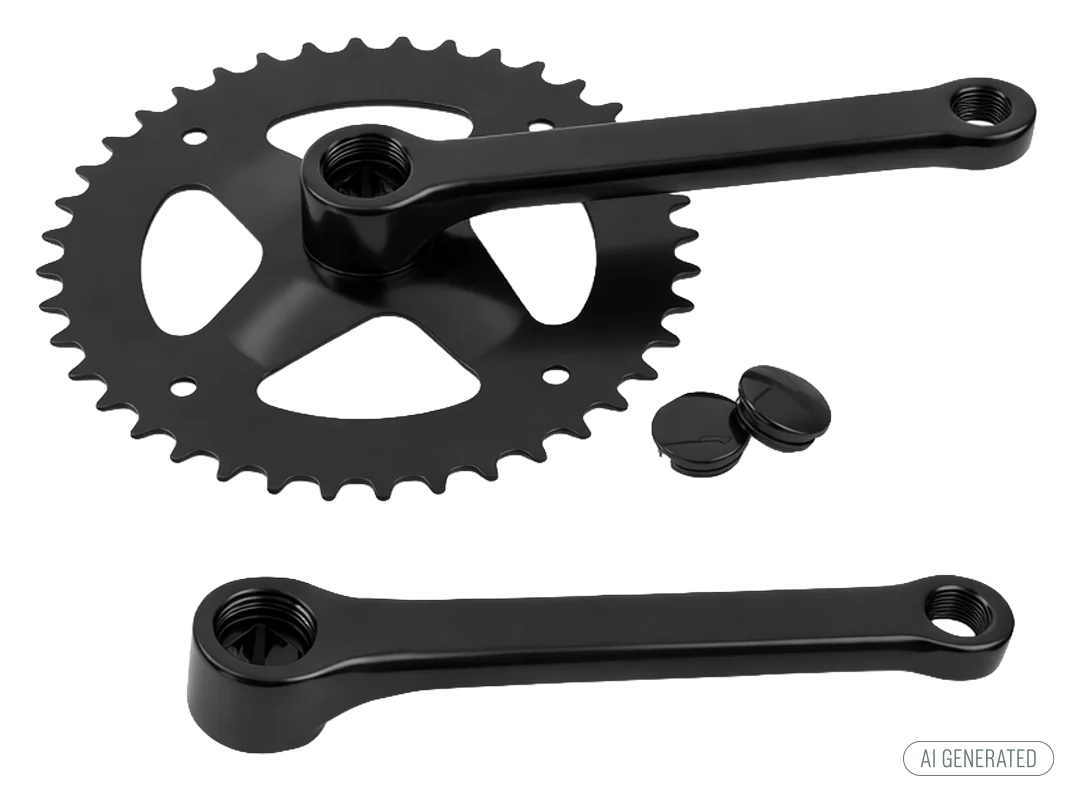
AVAX S Crank
Choosing the Right Crankset
Standards and Interface Compatibility
Selecting a crankset starts with the drivetrain architecture. Crank arms need to match the relevant spindle or drive interface, geometry and drivetrain requirements to ensure stable load transfer and alignment.
Key parameters include:
- Crank arm length and geometry
- Spindle interface type and fit
- Spindle diameter
- Required spindle length and chain line
- Q-factor and ergonomics
- Compatibility with bottom bracket housing standards
- Gear ratio
- Target application, including city, trekking, mountain and road bikes
For square taper systems, cranksets and bottom brackets are specified together to ensure drivetrain alignment and predictable assembly.
Crankset Interfaces for Different Drivetrain Systems
Square Taper Cranksets
AVAX A and AVAX S use a square taper interface and are designed for use with compatible THUN square taper bottom brackets. Matching spindle geometry, interface fit and tolerances helps maintain secure load transfer and drivetrain alignment.
Depending on the bicycle platform and configuration, relevant THUN bottom bracket families include GOAL, PASO and TWIST, IBEX, JIVE and TANGO, and ZUMBA.
E-Bike Crank Arms
- VANGUARD is designed for e-bikes with mid-drive systems. It follows a different system architecture and is not paired with a THUN bottom bracket.
Alignment in Square Taper Systems
For square taper cranksets, performance depends on precise alignment between the crank arms, bottom bracket spindle and frame.
The crank arms must engage securely with the spindle. Correct spindle length and chainline help maintain drivetrain alignment, while a consistent Q-factor supports predictable fit and rider ergonomics.
Relevant parameters include:
- Spindle length and chainline
- Interface fit between crank arm and spindle
- Q-factor consistency
- Frame alignment and clearance
Incorrect alignment leads to noise, reduced efficiency and premature wear at the interface.
Reliability in Series Production
In series production, drivetrain reliability depends on interface stability across the crankset, bottom bracket and frame. Tolerance variations at these interfaces cause micro-movement, noise and premature wear under load.
For square taper systems, stable crankset performance requires secure spindle engagement, controlled tightening torque and a consistent Q-factor. Together, these reduce movement at the crank arm–spindle interface and ensure long-term durability.
For compatible bottom bracket systems, THUN controls spindle geometry, interface tolerances and assembly specifications. This reduces variability and keeps quality consistent at scale. The result is predictable installation, whether assembly is automated or manual.
Integration into Modern Bicycle Platforms
A crankset does more than transmit force. Its geometry, spindle interface and alignment determine how cleanly it integrates with the frame and how the drivetrain behaves under load.
Crank arm length and Q-factor define rider ergonomics. Chainline and spindle position determine drivetrain alignment and efficiency. Crankset dimensions affect frame clearance and structural behavior, particularly under dynamic pedaling loads.
Durability and Stability
When the fit between crank arm and spindle degrades, micro-movement follows. This accelerates wear, reduces efficiency and shortens service life.
Tight, consistent tolerances help keep the crank arm–spindle interface stable across repeated load cycles. A secure, well-matched interface reduces micro-movement, supports long-term durability and helps limit maintenance requirements in real-world applications.
Your Contact at Thun
Have questions about crankset integration, drivetrain compatibility, or OEM development? Our sales and engineering teams are here to help you.

Carina Füllbeck
Vice President SalesA crankset is the pedal-driven assembly that transfers rider input into the drivetrain. Depending on the system architecture, it includes the crank arms and chainring or belt sprocket and connects to the relevant spindle or drive interface.
A crankset or crank arm assembly transfers pedaling input into the drivetrain. A bottom bracket is the bearing system that supports the spindle in bicycle architectures that use a separate bottom bracket.
An MTB crankset (mountain bike crankset) is built for the higher loads of off-road riding: impacts, steep terrain, and dynamic conditions. It requires increased stiffness and a stable interface to maintain drivetrain alignment under load.
Cranksets are not fully standardized. Compatibility depends on spindle interface, chainring configuration, bottom bracket type and frame geometry. Correct specification during development is the only way to ensure proper integration.
A bike crank arm connects the pedal to the bottom bracket spindle and transfers pedaling force into the drivetrain. Left and right crank arms must be precisely aligned as any imbalance affects load transfer and accelerates wear.